· GEMA Engineering Team · Facility Management · 2 min read
Undocumented Repairs Can Turn Into Compliance Findings
Every maintenance expense needs a paper trail. Here's what a complete, audit-ready maintenance file should include.
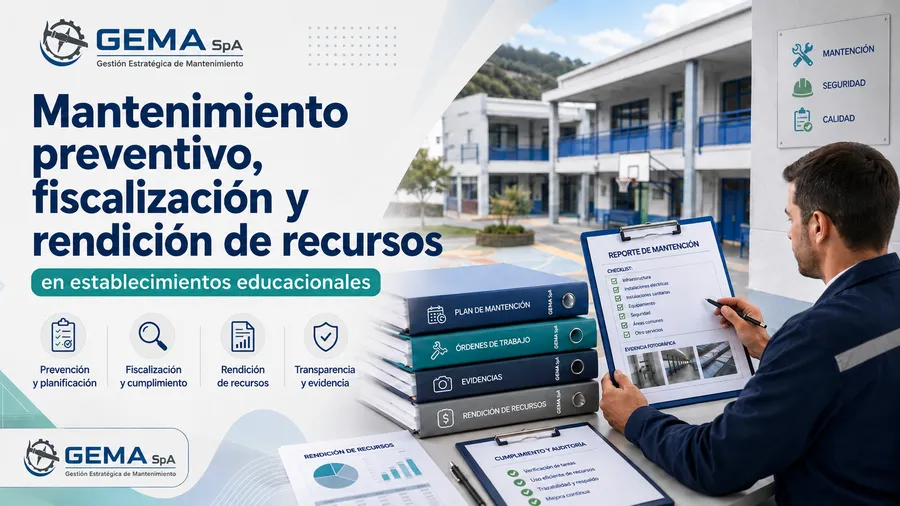
In the daily hustle of managing a school, the priority is usually resolving emergencies as quickly as possible to avoid affecting students. However, making a repair and ignoring the backup documentation is a common mistake that can cost you dearly during government regulatory audits or municipal inspections.
A repair without traceable documentation not only voids service warranties, but in the eyes of regulators, it is considered a lack of formal maintenance, which translates into official compliance findings, safety citations, and potential fines.
The Value of the Maintenance File
Every technical intervention on critical building systems must be supported by a structured physical or digital folder. This maintenance file should include:
- Work Orders (WO): Detailing the date of execution, the responding technician, diagnosis, and the applied solution.
- Technical Accreditations: Repairs on boilers, gas systems, or high-voltage electric boards must be performed by certified, licensed contractors.
- Warranties & Technical Datasheets: Specifications of the installed spare parts and coverage periods against manufacturing defects.
The Consequences of Administrative Disorder
When an inspector visits your school, it is not enough to show that the equipment is currently “working.” Authorities require proof of regulatory compliance. If there is no documented service history for fire extinguishers, emergency lights, or HVAC units, your campus can be cited with severe safety gaps, exposing the institution to:
- Sanitary or Municipal Citations: Fines, penalties, or in extreme cases, temporary suspension of operating permits.
- Funding or Subsidy Risks: Failing to meet basic infrastructure standards can jeopardize public funding status or accreditation.
- Insurance Invalidation: In the event of a fire or flood, insurance companies may deny coverage if you cannot prove that critical safety equipment was maintained regularly by certified professionals.
Conclusion: Orderly Documents Protect Your Administration
Keeping records organized is just as important as the physical repair of the equipment itself. A professional facility maintenance system does not just fix pipes and calderas; it secures your administration through clean paperwork, ensuring smooth audits and 100% safe, compliant facilities.
Need an Infrastructure Assessment?
Get a professional evaluation to optimize your facilities, ensure safety compliance, and plan preventive maintenance.
Request a school infrastructure assessment